
Your simple guide to buildings under-insurance

Your simple guide to buildings under-insurance
What is under-insurance?
When you take out an insurance policy one of the most important things to think about is how much cover you need. If your cover is too low then you could end up paying a lot more than you originally thought.
Buildings under-insurance occurs if the sum insured is not enough to cover the full cost of re-instating the property in the event of a claim. The buildings re-instatement value not only takes into account the cost of the physical bricks and mortar but also the labour costs of re-building; the site clearance and the architects fees.
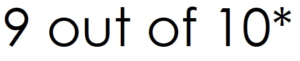 – of properties are insured for the wrong amount
– source: study by RebuildCostAssessment.com
So how does under-insurance happen?
Over the years we have seen a variety of reasons why a building may be under-insured which have included:
- The buildings sum insured has been mistakenly based on the market value of the property. When insuring a building you need to make sure that the sum insured is based on the full re-instatement cost
- The building sum insured does not take into consideration the costs of foundations; outbuildings; drains, boundary walls and driveways
- The cost of period features on listed buildings have not been included
- Deliberate under-insurance in an attempt to reduce insurance costs
- Sudden increases in the costs of building materials and labour costs in general – for example the costs of building materials since the pandemic have been in short supply and therefore increased costs across the construction industry
- The sum insured has just been index linked for a number of years and has not been reviewed or professionally valued within the last 3-5 years
And what are the consequences of my building being under-insured?
In the event of a buildings claim the insurer will look at the sum insured that was declared when the policy was taken out. If it is found that the building is under-insured then the insurer could look to apply the ‘Average clause’ which is in all insurance policies or in the case of clear deliberate under-insurance you could find that the policy is classed as void by an insurer.
An example of how the average clause works:
Let’s say you had a fire and the damage came to £100,000. You insured your buildings for £250,000 however the actual re-build was closer to £500,000 then the insurer would deem you to be 50% under-insured. As the property is under-insured by 50% the insurer would likely only pay 50% of your claim. You now have a significantly damaged property which will cost £100,000 but the insurer is only paying £50,000 towards the costs meaning the £50,000 balance will be down to you to cover.
What can I do to prevent my buildings being under-insured?
Neglecting to ensure your buildings are insured correctly could prove incredibly expensive as lets face it, the last thing that anybody wants is an insurer not to pay a claim in full because the property is not suitably covered.
We recommend that you review the buildings sum insured every few years to ensure that the sum insured is still adequate.
There are free online re-build calculators which can give an estimated rebuild cost for your property such as – https://calculator.bcis.co.uk/
However the best and most accurate way to ensure the rebuild value is correct is to have a professional rebuild valuation of the property.
Here at Greenfield Insurance we can assist you with this – just give us a call on 01489 579808 or reply to this email for more information on how we can help.